
From improved insulation to smarter heating systems, modern homes are designed very differently from the way they were even twenty years ago, with sustainability a key part of the building process.
At Kellen Homes, we think about long-term performance from the first stages of design, creating homes that are built to use less energy, feel comfortable in every season and cost less to run over time. Here is a closer look at how modern design makes our new homes more energy efficient.
What is a sustainable home?
A sustainable home is designed to use less energy, reduce carbon emissions and conserve water, while still feeling practical and easy to live in.
This means the house does not need as much energy to stay warm in winter, to heat water for everyday use or to power lighting and appliances. Instead of relying on one visible eco feature, a sustainable home is planned so that the structure, insulation and systems all work together to reduce energy demand in the background, without you even having to think about it.
It also means looking ahead as energy standards continue to rise. Older homes often need expensive upgrades to keep up, whereas modern homes are built to meet higher expectations from the start, giving you the confidence that your home will not quickly feel outdated.
Why does modern design make new homes more energy efficient?
Many modern, new homes follow what is known as a fabric-first approach. This simply means focusing on how well the building itself performs, before adding extra technology.
Good insulation slows down the rate at which heat escapes through the walls, floors and roof, while improved airtightness reduces drafts and stops warm air leaking out through small gaps in the structure. And when less heat escapes, you do not need to switch the heating on as often, which reduces energy use and helps maintain a steady temperature throughout the home.
Heating systems have also advanced significantly. Energy-efficient boilers and air source-heat pumps provide reliable heating and hot water, while producing fewer carbon emissions. Air source heat pumps work by drawing heat from the outside air and turning it into usable energy for your home, and because they transfer heat rather than generate it in the traditional way, they can run more efficiently over time.
Water-saving fixtures and efficient plumbing systems make a difference too. By using less water overall, they also reduce the amount of energy needed to heat water, which lowers environmental impact without changing daily usage habits.
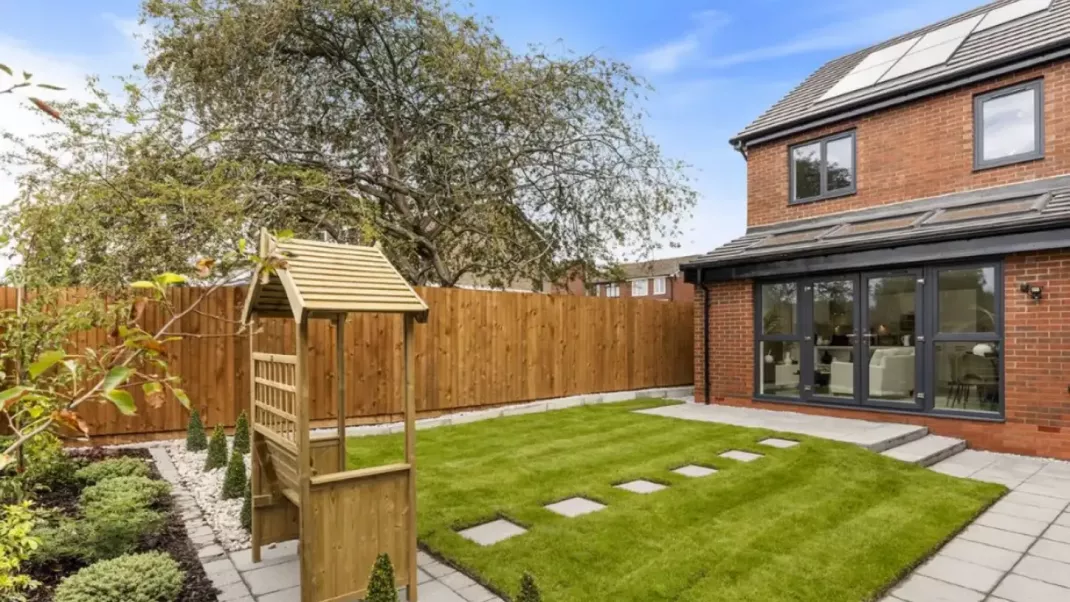
And finally, when solar photovoltaic panels are added to new homes, like at our Hawks View development, they can generate renewable electricity directly from the sunlight. This means part of the energy used in the home is produced on the roof itself, reducing reliance on the grid and helping to keep long-term energy costs down.
What are the benefits of a sustainable home?
The advantages of a sustainable new build home are felt most clearly in everyday life. One of the biggest benefits is lower running costs, which comes down to the simple fact that the home does not need as much energy to stay warm and comfortable.
Because a well-designed modern home holds on to heat more effectively and uses energy more efficiently, less heating and electricity are required overall. So, when electricity demand is lower, monthly bills are typically lower too, which can make a huge difference, particularly when energy prices are high.
Modern ventilation systems can also help to manage airflow and moisture, supporting healthier indoor air quality and a fresher living environment.
And finally, if you’re deciding between a new build and an older property, it is worth thinking about the potential cost of upgrades. Research shows that bringing an older property up to the same energy efficiency standards as a new build can cost between £23,100 and £83,000, which is a significant investment on top of the purchase price. Plus, the process can be disruptive, and time-consuming to manage as well as being costly to complete.
Looking for a modern, sustainable home?
At Kellen Homes, we build a range of new homes designed for modern living, everyday comfort and lower energy consumption.
View our range of new build developments and learn more about how we integrate energy-saving technology and thoughtful design into every new home here.
FAQ: Sustainable homes
Are new build homes more energy efficient than older properties?
Yes. New build homes are constructed to modern energy performance standards, with enhanced insulation, improved airtightness and efficient heating systems. Older homes were built to lower standards and may require significant upgrades to reach similar levels of efficiency.
How much does it cost to make an older home as efficient as a new build?
Estimates suggest that bringing an older property up to the same energy efficiency standards as a modern new build can cost between £23,100 and £83,000, depending on the scale of improvements required.
What is a fabric-first approach?
The fabric-first approach focuses on improving the thermal performance of the building structure itself through insulation and airtightness before adding renewable technologies. By reducing overall heat demand, it improves long-term efficiency and overall performance.


